Life

The rest of it

A CV is a very narrow account of a person. This is the wider one — where I am from, what I do when I am not in a laboratory, and the ideas I try to live by.

My name
Sumith Abeykoon. Sumith — soo-MITH. Abeykoon — ah-bay-KOHN.
From
Born in Kurunegala, grew up in Matale, in the central highlands of Sri Lanka. University at Peradeniya, in Kandy.
Lived in
Sri Lanka · Germany · Japan · France · Italy
Now
Rome.

Mountains

I grew up in them, and I have never got over it

Matale is hill country — forest, wildlife, wild fruit you could eat straight from the branch, and long days outside with the friends I still have. Then Kandy, and the university at Peradeniya, which sits between the Hanthana range and the Mahaweli river and is quite unreasonably beautiful.

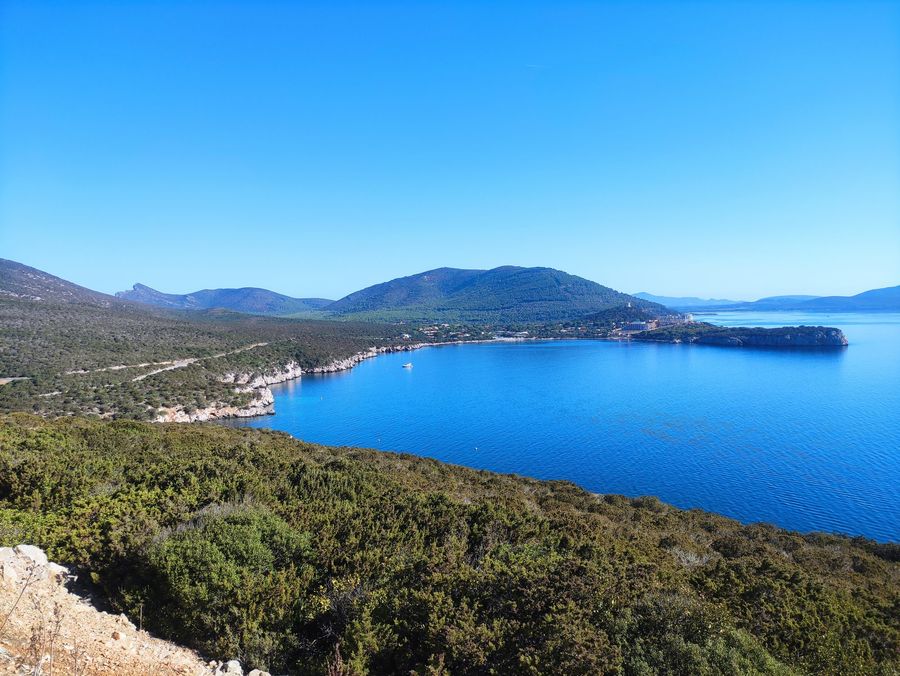
Because I grew up in mountains, I feel connected in mountains. Anywhere. That is most of what my photograph folders contain: ridges in the Alps, and paths going up.

It is also the reason I am comfortable with not being from one place any more. Geography is not what home is made of.

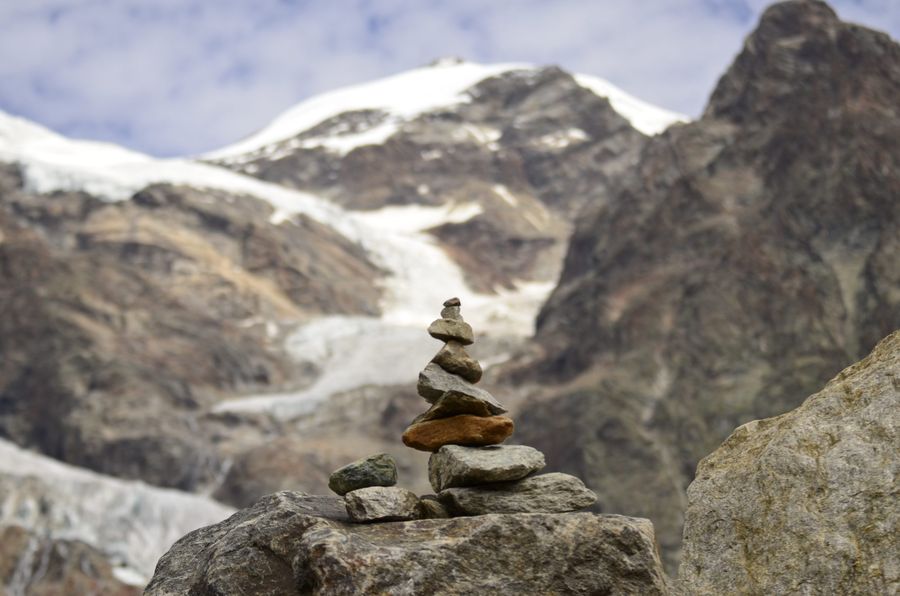
A cairn above the snowline
Everything else

I have more hobbies than is entirely sensible.

Cooking

I cook dishes from wherever I have been, and I enjoy it: cooking is the other experimental science, the one where taste meets chemistry, and I get just as excited watching someone enjoy what I have cooked. If science had not happened, I think the kitchen would have. My friends can confirm whether I am any good at it; I have already been told that I am.

Moving

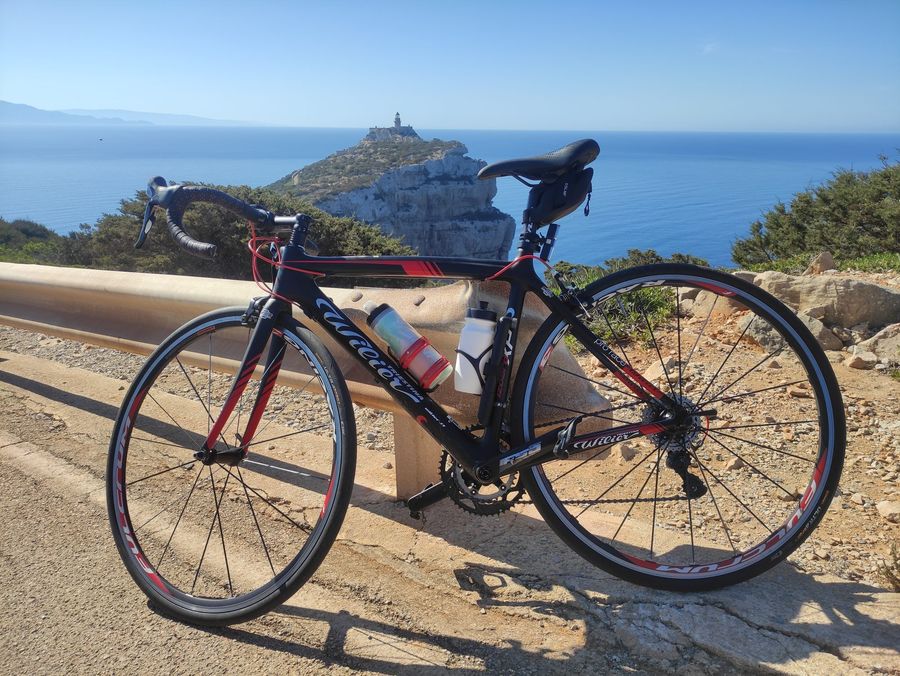
Road cycling — often, and early. Tennis. High-intensity training in the gym, and yoga, which I love. I like being active more than I like any particular sport, and I have never been good at sitting still.

Music

Almost anything, depending on what I am doing: classical when I have the time to actually listen, concentration music for work, something with a pulse for the gym, sometimes a soundtrack for cooking. My taste stopped somewhere around the turn of the century and I am not sorry: Linkin Park, Eminem, and the old Sri Lankan songs I grew up with on a radio, then on cassette tapes, in one of the last generations that ever rewound one with a pencil. Two exceptions to the cut-off: Adele, who I saw in Munich in 2024 and would see again tomorrow, and the soundtrack of Woody Allen's Midnight in Paris, which I could play on a loop and sometimes do. There is a guitar in my future. There has been for some time.

Fixing things

My bicycle, my car as far as I am able, and anything around the house. I used to build things seriously. One day, when there is time and space, I would like to again — and to have a garden to look after.

Reading

It was the whole of my childhood — newspapers, journals, novels, translations, biographies. These days there is so much to read for work that reading for pleasure has become a luxury. I miss it, and I intend to get it back.

If you want the one that changed things: Neil deGrasse Tyson's Starry Messenger. It shifted how I see a great deal, and improved more of my life than a book has any obligation to.

Health, seriously

Nutrition science and gut health — I read and listen to a great deal of it. It started as wanting to feel better and became a long experiment on myself that is still running.

Languages

I love languages because a language is a culture. I am not naturally good at them.

Sinhala
Mother tongue.
English
Fluent. The language I have worked in for my whole career.
Italian
Learning, and further along than the others. One day I want to be properly fluent — I live here.
French
Some. Words and phrases from the Nancy years.
German
A little less. But I lived there a long time, and some of it stuck.

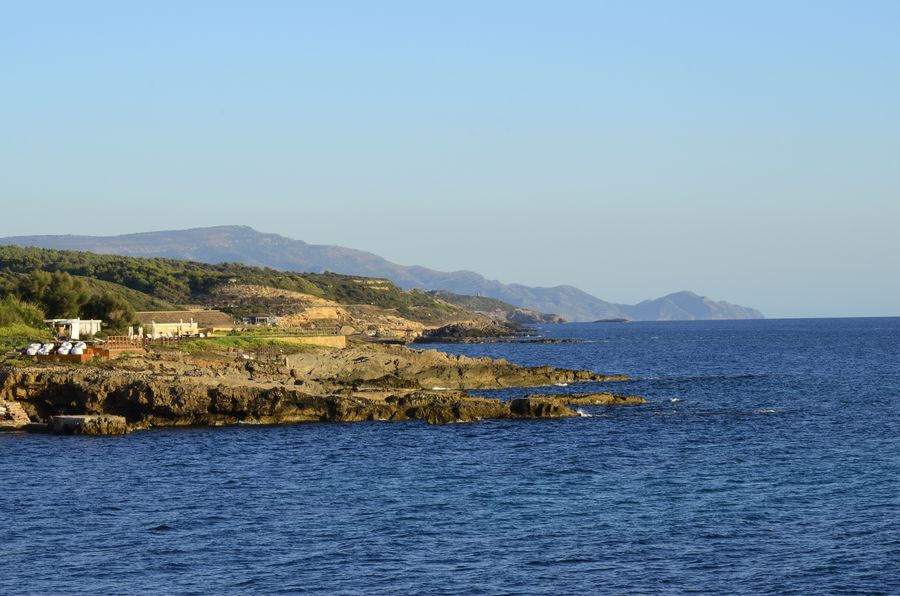
A sea cliff and headland in Sardinia
A good Sunday

Which is, I think, the honest answer to what I want out of life

Wake up early. Out on the bike in time to see the sun come up. My favourite breakfast afterwards. A late lunch, and a long walk in the evening.

Then the evening at home doing nothing much — a film, or sport on the television. Cook dinner properly. Get things ready for Monday.

That is it. That is the whole ambition.

Still to learn

The guitar, one day.

It is on the list, and it has no deadline. I mention it because it is the same point as everything else here: one failed experiment teaches you more than ten successful ones, there is no limit to what there is to learn, and being bad at something new is not a problem to be embarrassed about. It is just the beginning of the next thing.

Nature is the most complicated and beautiful thing there is. Never believe you have understood it.

The other practice

The work I think actually matters, and almost nobody puts on a CV

Here is the thing I worry about most, and it is not a scientific problem. It is that a person can spend an entire working life on the outside world — measuring it, publishing on it, getting quite good at it — and reach the end never having done the inner work at all. A lifetime of attention paid to rocks and none paid to the mind doing the looking.

I did not grow up with this. I came to it later, on my own, after reading my way through several ways of explaining what a life is for. What I found was not a religion so much as a method — something closer to a set of instructions for paying attention. I practise it. Meditation, and the ordinary daily version of the same thing, which is simply noticing what is happening instead of being carried along by it.

Mental health is not a side subject here. Nobody arrives at a practice like this out of curiosity — it is the kind of thing a person reaches for because they needed it, and keeps because it worked. That is the honest shape of it, and it is a longer story than this page has room for.

I am not going to preach about it, and I am certainly not qualified to teach it. But it has done more for how I live than anything I have learned in a laboratory, and it would be dishonest to leave it off a page that is supposed to be the whole picture.

Nothing stays

The rocks taught me this before I understood it about myself. Everything is on its way to being something else. When a bad period comes — and they come — it genuinely feels total while I am inside it. It has never once been permanent. Knowing that does not make it hurt less. It does make it survivable.

The journey, not the arriving

One failed experiment teaches more than ten that work. The same is true of the rest of it. I have stopped measuring a year by what came out of it, which is a strange habit for someone whose profession counts publications, and a much better way to live.

Begin again, badly

I cannot play an instrument, at my current age, with a doctorate behind me. Being a beginner is not embarrassing — it is the only state in which anything is learned. There is no limit to what there is to know, and believing you have understood something is usually the moment you stop seeing it.

Kindness outranks the rest

I want to make a real contribution to what we know. But if I had to choose between being remembered as a good scientist and being remembered as a good person, it would not take me long. Empathy and kindness are harder skills than any technique I have learned, and far more useful.

The body is part of it

Mind and body are not separate projects, whatever the timetable suggests. Riding before sunrise, the gym, yoga, what I eat and what it does to me — I have been running a long experiment on myself for years now. It is the same attention, pointed inward.

None of this is separate from the science. We are part of nature, not visitors to it — what happens out there happens to us, and the same processes that made a mountain made the person looking at it. Understanding the physical world and understanding your own mind are the same project, approached from two ends.

Science is scratching the surface of what there is to find. I would like to spend my life on that. I would also like to arrive at the end of it having actually been present for the whole thing.
People

What people carry

It is easier to argue with a moment than to understand where the other person is standing when they speak. Nobody ever holds the whole story of the person in front of them. Time helps with that, I think, if you let it.

Everyone I have met carries wisdom that came from what they lived through, and it cannot be got any other way. Not age — life. So the question I try to keep in mind is whether I am ready to hear someone's story, or only waiting to tell my own.

A few friendships from childhood have lasted. Living far away makes it hard to keep many — but there are many more people I met along the way, and I only wish there were time enough to catch up with all of you.